
Freight consolidation services sit at the core of efficient logistics when shipments are fragmented, volumes fluctuate, and transportation costs must stay predictable. Instead of moving partial loads separately, businesses consolidate multiple shipments into a single, optimized freight movement, reducing cost per unit while improving control over delivery flows. Learn how to use it for a smarter and cost-efficient shipping process.
For shippers managing multiple suppliers, distribution points, or regional deliveries, freight consolidation services turn logistical complexity into a structured, manageable process. This approach is not theoretical, it is used daily by distributors, importers, retailers, and manufacturers that operate across multiple markets.
What Freight Consolidation Services Really Mean for Supply Chains
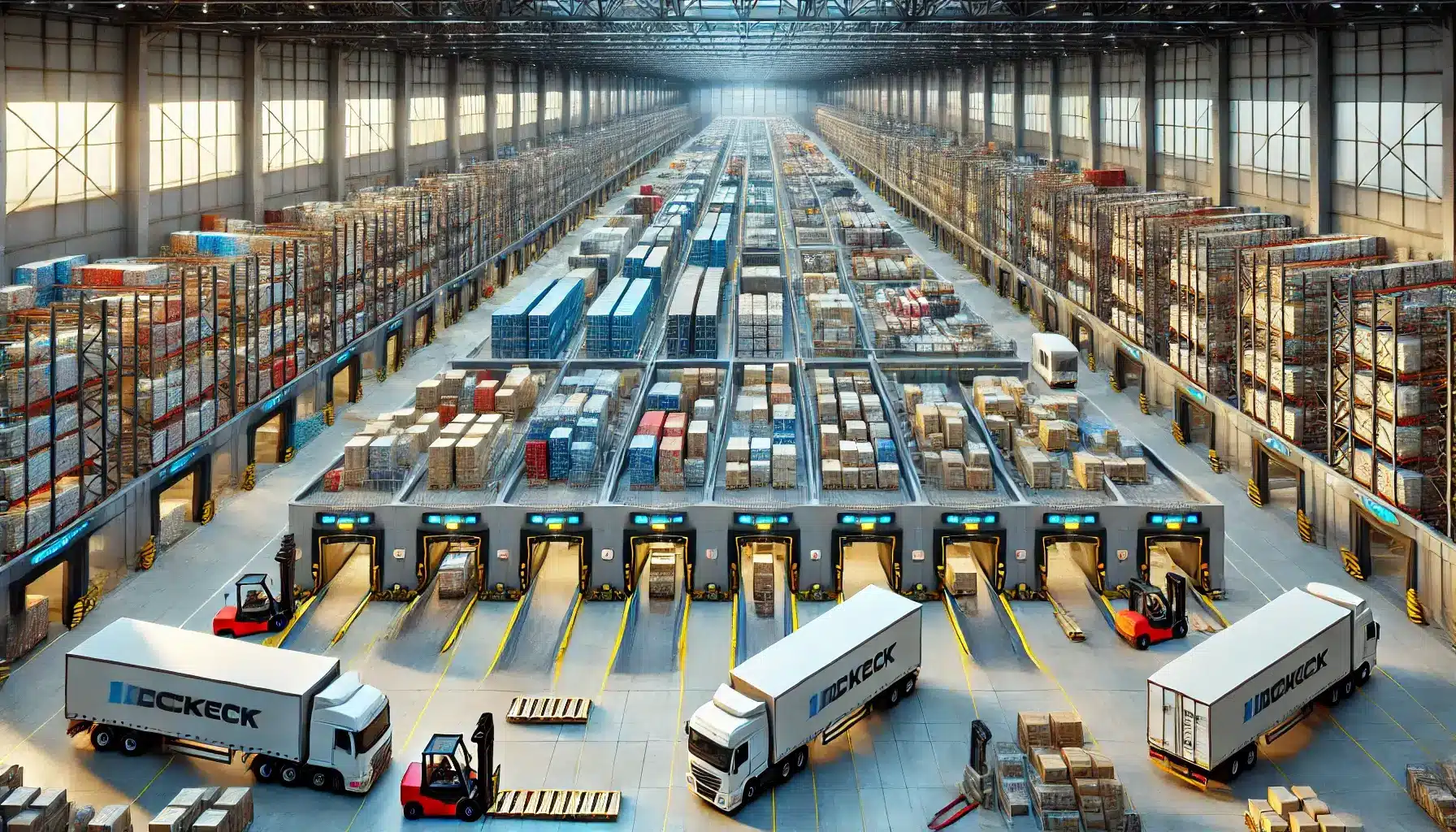
Logistic consolidation services combine smaller shipments from different origins or suppliers into one outbound load. This typically happens at a consolidation hub, cross-dock, or logistics facility designed to handle fast inbound and outbound freight movement.
Smarter cost-efficient shipping in practice, this means:
- Several LTL shipments arrive separately
- Freight is staged, verified, and combined
- Finally, one optimized outbound truck replaces multiple partial shipments
This model reduces empty space, minimizes unnecessary miles, and creates a cleaner transportation structure that scales as volumes grow.
How Freight Consolidation Services Reduce Transportation Costs
Transportation costs increase rapidly when shipments move independently. Each partial load carries its own fuel cost, accessorial fees, and scheduling risks. Logistic consolidation services solve this by maximizing trailer utilization and reducing the total number of truck moves.
Real-world scenarios include:
- Import freight arriving through different ports and consolidated inland
- Secondly, retail suppliers shipping small volumes to the same distribution region
- Seasonal inventory surges that would otherwise overload direct shipping lanes
By consolidating freight, businesses lower per-pallet transportation cost and gain stronger leverage when planning outbound schedules.
Operational Advantages of Logistic Consolidation Services
Beyond cost, logistic consolidation services deliver operational stability. Centralized handling improves visibility and reduces the risk of misrouting, delays, or damaged cargo.
Key operational benefits include:
- Faster dock turnover and reduced congestion
- Better inventory synchronization across locations
- Fewer handling points during long-haul transportation
For growing businesses, this translates into predictable workflows instead of reactive logistics firefighting.
Logistic Consolidation Work vs Direct Shipping
Direct shipping may seem faster, but it often creates hidden inefficiencies. Each independent shipment increases administrative load, tracking complexity, and cost volatility.
Logistic consolidation services provide:
- Firstly, fewer shipments to manage
- Clear departure windows from consolidation hubs
- Improved damage control due to standardized handling
When evaluated over volume and time, consolidation consistently outperforms fragmented direct shipping models.
When Logistic Consolidation Services Deliver the Highest ROI
The return on investment from logistic consolidation services is highest when shipments are frequent but not truckload-sized.
Typical high-ROI use cases include:
- Retail replenishment across multiple stores
- Import consolidation from overseas suppliers
- Finally, promotional or seasonal inventory waves
In these scenarios, consolidation aligns transportation spend with actual demand instead of fixed truckload commitments.
Technology and Visibility in Logistic Consolidation Services
Modern logistic consolidation services rely heavily on visibility tools. Tracking inbound arrivals, outbound departures, and load composition ensures that consolidation does not slow down operations.
Advanced consolidation partners offer:
- Real-time status updates
- Digital booking and slot allocation
- Photo documentation and load verification
Platforms like Freitty integrate operational execution with digital control. As a result, allowing businesses to consolidate freight without sacrificing transparency or speed.
Why Businesses Choose Flexible Consolidation Partners
Not all consolidation models are equal. Flexibility matters when shipment volumes change weekly or even daily. Businesses increasingly favor partners that offer standardized processes across multiple hubs, clear pricing, and fast execution.
Solutions available through Freitty.com allow companies to book, manage, and scale logistic consolidation services without long-term commitments or opaque pricing structures.
Scaling Logistics with Logistic Consolidation Services
As operations grow, logistics complexity multiplies. Freight consolidation services enable scale by centralizing decision-making while keeping execution flexible. Instead of adding more routes and carriers, businesses optimize what already exists.
This approach supports expansion without sacrificing service levels, delivery timelines, or cost discipline.
Conclusion: Logistic Consolidation Work as a Strategic Logistics Lever
Freight consolidation services are no longer just a cost-saving tactic. They are a strategic lever for companies that want resilient, scalable, and transparent logistics operations. By consolidating freight intelligently, businesses reduce waste, improve control, and create a supply chain built for growth.